
I Built My Company After Being Overlooked by the World I Wanted to Contribute To — and Now We’ve Helped Over 100,000 Children See Themselves in the Pages of a Book
There was a time when I believed the traditional path was the only way forward.
I studied. I worked hard. I built a portfolio I was proud of. I showed up to interviews ready to contribute, ready to serve, ready to make a difference. And yet, time and time again, I was overlooked—not because I lacked talent or passion, but because I didn’t fit the mold of what the world expected.

So I stopped waiting for permission.
Instead of asking, “Why won’t they let me in?”
I asked, “What if I built the table myself?”
That question changed everything.
From Rejection to Redirection
What began as a deeply personal response to exclusion became something far bigger than I ever imagined. I didn’t set out to build a publishing company. I set out to solve a problem I could no longer ignore:
Children were growing up without seeing themselves reflected in books.
Too many classrooms were filled with stories that didn’t represent diverse identities, abilities, family structures, or lived experiences. Too many children were learning—implicitly—that their stories mattered less.
I knew that if I felt invisible as an adult, children must feel it even more deeply.
So I wrote the book I wish I had growing up.
Then I wrote another.
And another.
Eventually, those stories became Purple Diamond Press—a company built not on trends, but on a clear North Star:
Every child deserves to feel seen, valued, and worthy.
What If Stories Could Change How Children See Themselves?
At the heart of everything we do is a simple but powerful belief:
A good story allows the reader to see themselves.

That belief guided the creation of the What If We Were® series and every title we’ve published since. These books aren’t just about reading—they’re about identity, belonging, kindness, generosity, and possibility.
They ask children to imagine:
• What if we were all kind?
• What if we were all generous?
• What if we were all honest?
• What if we were all the same—and celebrated our differences anyway?
These “what if” questions are not hypothetical. They are invitations.
They invite children to see themselves as capable of empathy, leadership, and change. They invite educators to create classrooms rooted in inclusion. And they invite communities to believe that small stories can lead to systemic shifts.
This storytelling approach—grounded in vision, belief, and long-term impact—is what creates lasting change, not just momentary inspiration. 
The Impact We Never Imagined
Today, more than 100,000 children have encountered our stories in classrooms, libraries, homes, and community spaces.
Children who:
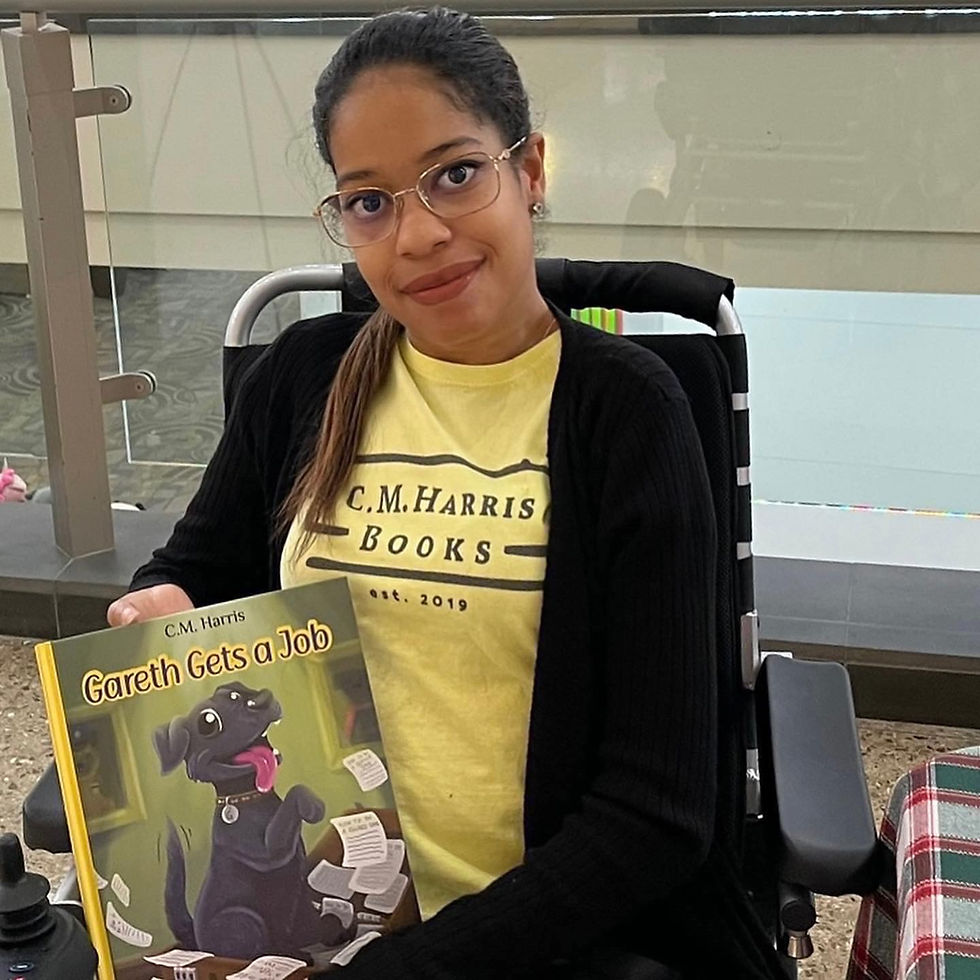
• Use wheelchairs and finally see that normalized in a story
• Come from multicultural families and feel represented
• Are learning empathy, kindness, and financial literacy
• Are discovering that their voice matters
Teachers tell us our books spark deeper conversations.
Parents tell us their children feel proud of who they are.
Schools tell us these stories help build stronger classroom communities.
That impact didn’t come from chasing approval.
It came from standing firmly in our values.
Building What Didn’t Exist
I didn’t build this company because it was easy.
I built it because it was necessary.
And along the way, I learned something important—especially for founders, creators, and nonprofit leaders:
You don’t need a perfect track record to tell a powerful story.
You need a clear vision, a belief in your mission, and the courage to lead with your why. 
Purple Diamond Press exists because the world I wanted to contribute to didn’t make room for me. So I created something better—something more inclusive, more human, and more honest.
Why This Work Still Matters Now
In a world where children are navigating uncertainty, division, and constant change, representation and storytelling are essential—not optional.
Books shape how children see themselves and others. When we get that right, we don’t just raise better readers—we raise more compassionate humans.
And that’s the future I’m building toward.
One book.
One child.
One story at a time.


Comments